

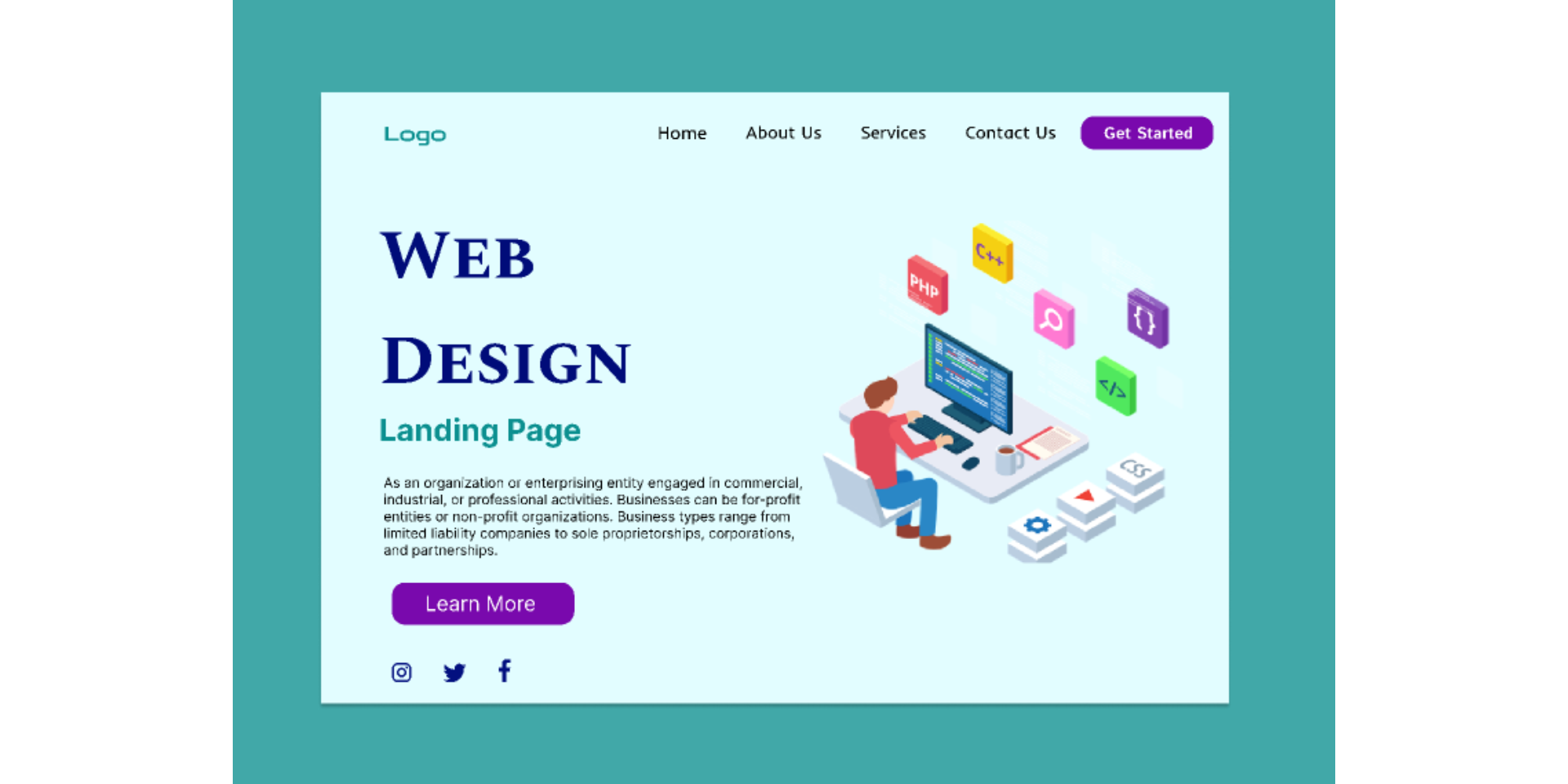
Creating a landing page seems easy.
You write some text, add a form or button, publish it, and wait for traffic. But the truth is, most landing pages don’t rank well on Google—and even when they do, they often fail to turn visitors into customers.
If you want to build a landing page that Google ranks highly and people actually trust and engage with, you need to strike the right balance between SEO, user experience, and persuasive content.
This guide will walk you through how to make an SEO-friendly landing page that Google loves written in a practical, human-friendly way that you can use right away.
First, Understand the Purpose of a Landing Page
A landing page isn’t just another page on your website. Its main job is to get visitors to take a specific action. That could be signing up for a newsletter, booking a consultation, buying a product, or downloading a guide.
Unlike blog posts, landing pages are focused and direct. But for your page to work, people must find it first—and that’s where SEO comes in.
An SEO-friendly landing page helps search engines understand your content while making it useful and engaging for real visitors.
Start With the Right Keyword Strategy
Before you write a single word, you need to know what your audience is searching for. Instead of targeting broad and competitive keywords, focus on specific phrases that match what users are looking for.
For example:
- Instead of “fitness program,” try “online weight loss program for beginners.” Specific keywords bring in more qualified visitors—people who are already looking for what you offer.
When choosing keywords:
- Look for moderate competition
- Focus on search intent
- Choose keywords that are directly related to your offer
- Use variations naturally throughout your content
The goal is not to repeat a keyword over and over. The goal is to answer the searcher’s need better than anyone else.
Write a Clear, Benefit-Focused Headline
Your headline is the first thing both users and Google see. It should clearly explain what your page offers and include your main keyword naturally.
Avoid vague headlines like:
“Welcome to Our Services”
Instead, write something direct and benefit-driven:
“Affordable SEO Services That Help Small Businesses Rank Faster”
A strong headline does three things:
- Grabs attention
- Explains the value
- Matches what the user searched for
Clarity always performs better than cleverness.
Create Content That Solves Real Problems
Google values helpful, high-quality content. That means your landing page must genuinely help visitors make a decision.
Focus on:
- Explaining the problem
- Presenting your solution
- Highlighting benefits, not just features
- Addressing common objections
For example, instead of saying:
“Our software has advanced analytics features.”
Say:
“Our software gives you real-time analytics so you can make smarter business decisions instantly.”
See the difference? Benefits connect emotionally. Features alone don’t.
Keep paragraphs short and easy to read. Use subheadings to organize your content. Break up text so visitors don’t feel overwhelmed. Remember: people scan before they read.
Match Search Intent Perfectly
One of the biggest SEO mistakes is mismatched intent.
If someone searches for “best email marketing tools,” they want comparisons—not a hard sales pitch for one product.
If someone searches for “buy running shoes online,” they are ready to purchase.
Your landing page must match what the searcher expects. If it doesn’t, visitors will leave quickly—and Google will notice.
When your content aligns with intent, you improve:
- Time spent on the page
- Engagement
- Conversion rates
- Search rankings
Optimize Your Page Structure Properly
Search engines rely on structure to understand your content.
Your landing page should include:
- One clear H1 headline
- Organized H2 and H3 subheadings
- Logical content flow
Headings should guide readers naturally from problem to solution to action.
For example:
- H2: Why Most Businesses Struggle With SEO
- H2: Our Proven SEO Strategy
- H2: What Results You Can Expect
- H2: Get Started Today
Structure improves both readability and SEO performance.
Keep Your URL Clean and Simple
Your URL should be short, readable, and keyword-focused.
Good example:
yourwebsite.com/seo-landing-page-guide
Avoid long URLs filled with numbers or unnecessary characters.
Clean URLs help Google understand your page topic instantly and make links easier to share.
Improve Page Speed for Better Rankings
Page speed is a ranking factor. But more importantly, it affects user experience.
To improve speed:
- Compress images
- Remove unnecessary plugins
- Use fast hosting
- Minimize heavy scripts
A faster page means lower bounce rates and higher conversions.
Make It Mobile-Friendly
Most people browse on their phones. Google uses mobile-first indexing, meaning it looks at your mobile version first.
Your landing page must:
- Load quickly on mobile
- Have readable text without zooming
- Use properly sized buttons
- Avoid cluttered layouts
Test your page on different screen sizes to ensure smooth usability.
If mobile users struggle, rankings and conversions will suffer.
Add Internal Links and Build Authority
Link to related blog posts or service pages when relevant.
For example, if your landing page is about SEO services, you might link to a blog post about “On-Page SEO Tips” or “Technical SEO Checklist.”
This keeps visitors on your site longer and strengthens your overall SEO structure. Additionally, building backlinks from reputable websites increases authority. While backlinks take time, they significantly boost rankings.
Use Strong and Clear Calls to Action
An SEO-friendly landing page is not just about ranking — it’s about turning visitors into customers.
Your call to action (CTA) should be:
- Clear
- Easy to see
- Focused on benefits
Examples include:
- “Get Your Free SEO Audit”
- “Start Your Free Trial Today”
- “Book a Free Consultation”
Avoid phrases like “Submit” or “Click Here.”
Place your CTA in places where it makes sense:
- After explaining the benefits
- At the end of each section
- Near testimonials
Make it simple for visitors to take the next step.
Build Trust With Social Proof
People trust other people more than brands.
Include:
- Testimonials
- Reviews
- Case studies
- Client logos
- Certifications
Trust signals help increase conversions and boost credibility in the eyes of Google. Also, make sure to include clear contact information and privacy policies. Being transparent helps build trust.
Avoid Common SEO Mistakes
Many landing pages don’t perform well because of simple errors:
- Keyword stuffing
- Thin content
- Slow loading times
- Duplicate content
- Confusing navigation
- Weak CTAs
SEO isn’t about tricks. It’s about clarity, quality, and consistency.
Monitor and Improve Over Time
Once you publish your landing page, your work isn’t done.
Track:
- Keyword rankings
- Conversion rates
- Bounce rates
- User behavior
If visitors leave quickly, review your content. If rankings are low, improve depth or build backlinks.
SEO is an ongoing process. Small improvements over time can lead to big results.
Final Thoughts
Creating an SEO-friendly landing page that Google loves isn’t complicated — but it requires purpose.
When you focus on:
- The right keywords
- Clear structure
- Valuable content
- Fast loading speed
- Mobile optimization
- Strong calls to action
You create a page that works for both search engines and real people.
Always remember: Google’s goal is to give users the best possible answer. If your landing page truly solves problems and delivers value, rankings will follow.
Build for humans first. Optimize smartly. Stay consistent.
That’s how you create a landing page that Google — and your audience — will really love.